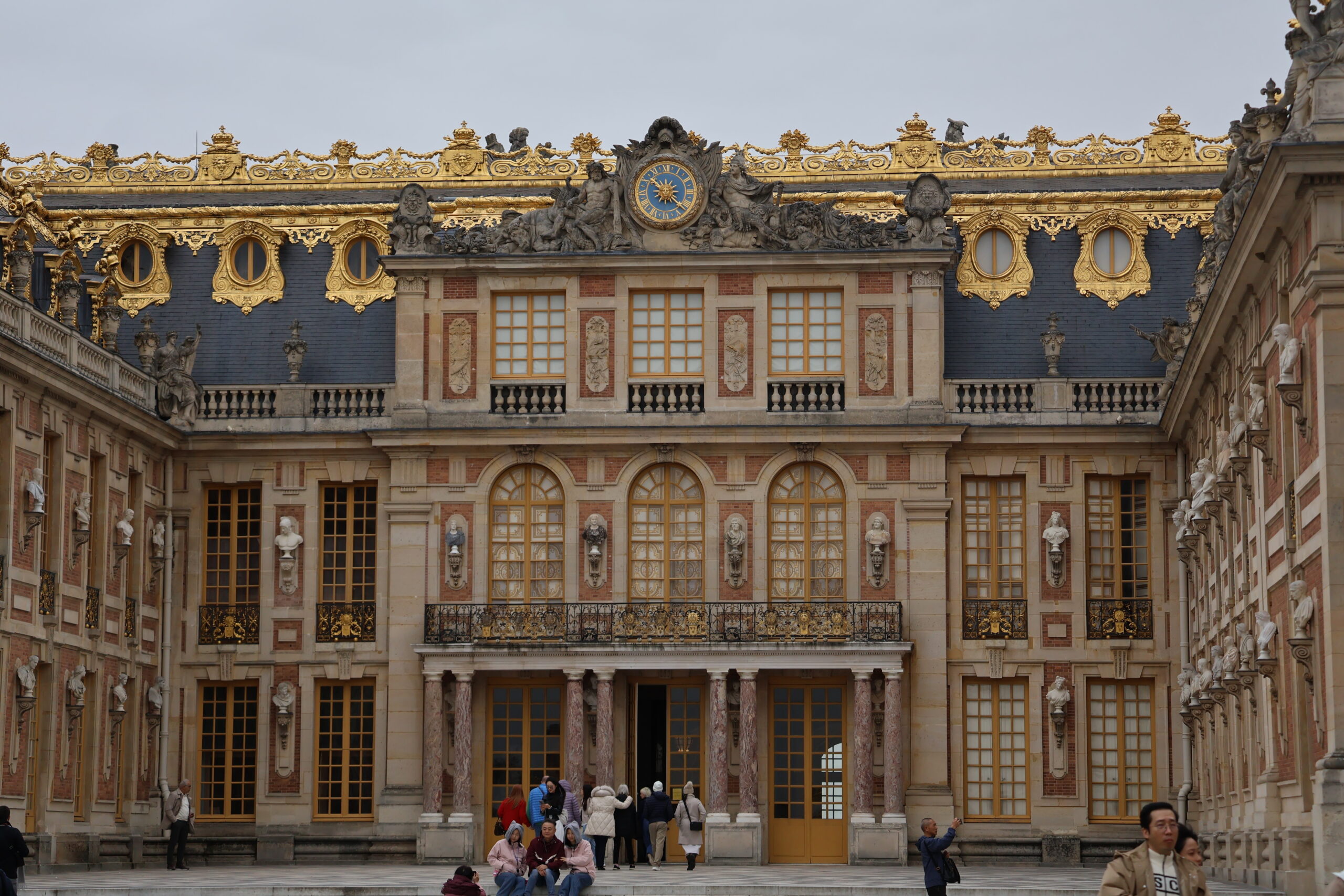
During my stay in Paris, I visited Versailles. As I walked through the park, the whole place struck me as a fantastic open world for a video game. I just couldn’t stop thinking about it, so here are my impressions and notes.
The tour began at the castle. The castle itself is enormous and serves as a sort of first location—or even a first world. It has many hallways and rooms, and there’s something interesting to explore in each one. You’ll pass through some rooms just to get to a large hall with huge paintings. It’s beautiful and fascinating. It also serves as a kind of introduction that draws you into the castle’s entire story.
Once you walk through the castle, you’ll come to a large courtyard with an entrance to the gardens. It’s a great place to relax, where you can enjoy various views of nearby landmarks as well as the beauty of nature in the distance. After you’ve rested and decided where you want to go, you’ll set off on a path that’s almost like a maze. There are many paths to choose from. You can either follow the path guided by the interesting landmarks you see, or check the map and head straight for them. Either way, you’ll reach your destination—and you might even get lost along the way. That’s one of the things that adds to the sense of a gaming experience.
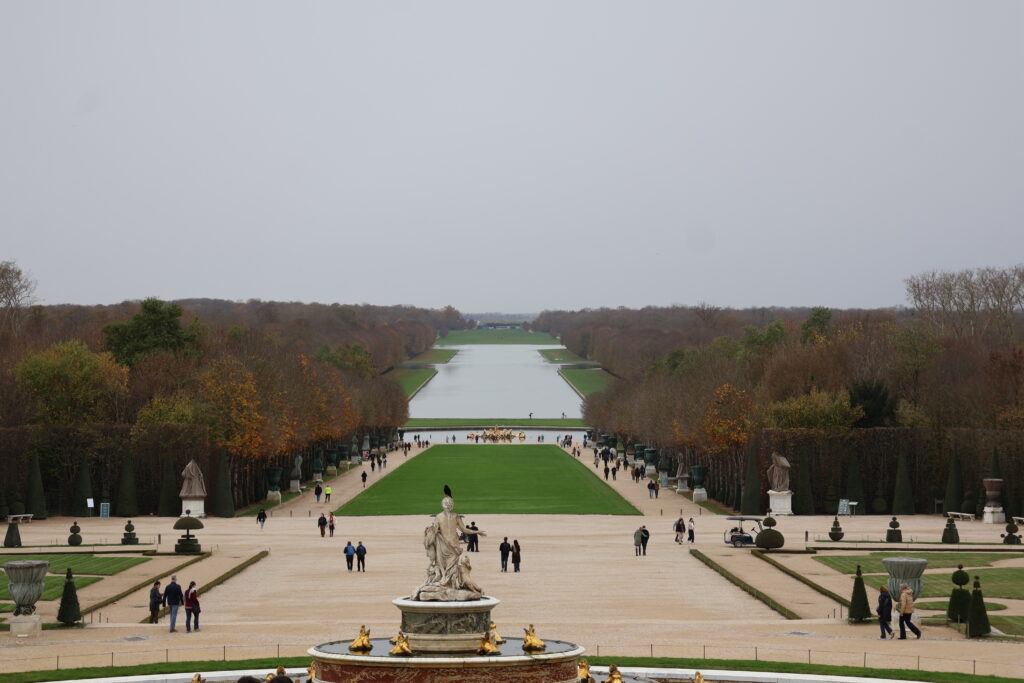
Tip for EA. You can buy a vehicle here that will get you to your destination faster.
This time, the destination is two small castles. Exploring them is a wonderful experience with plenty of interesting nooks and crannies. The spaces here are smaller, but just as interesting. Here, you’ll learn more about where to go and what awaits you there. Progressing step by step and gathering information is typical of games.
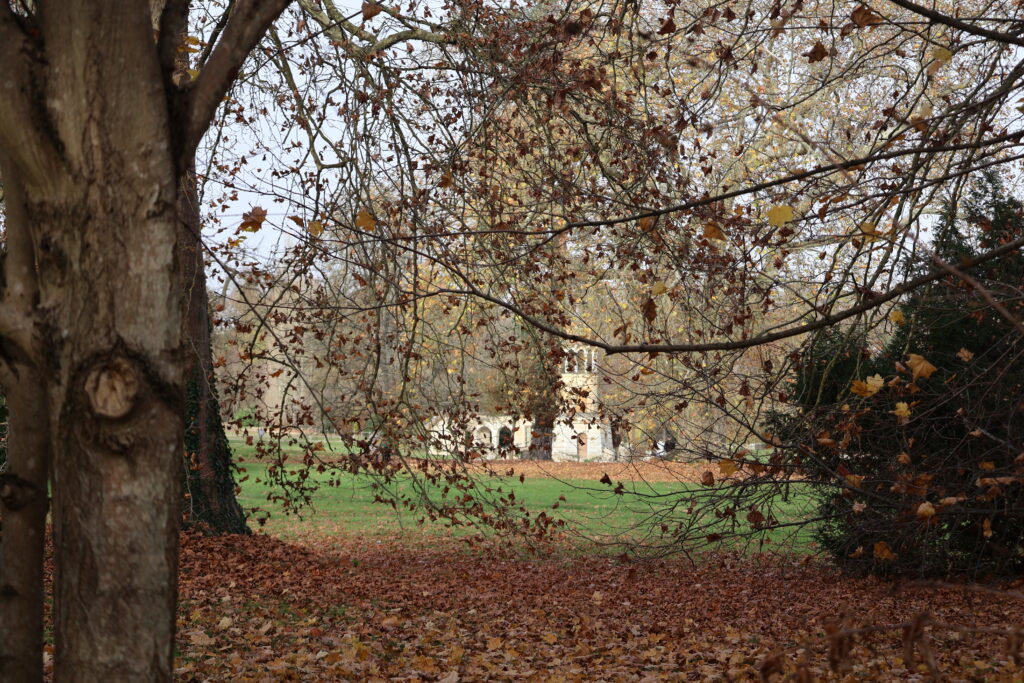
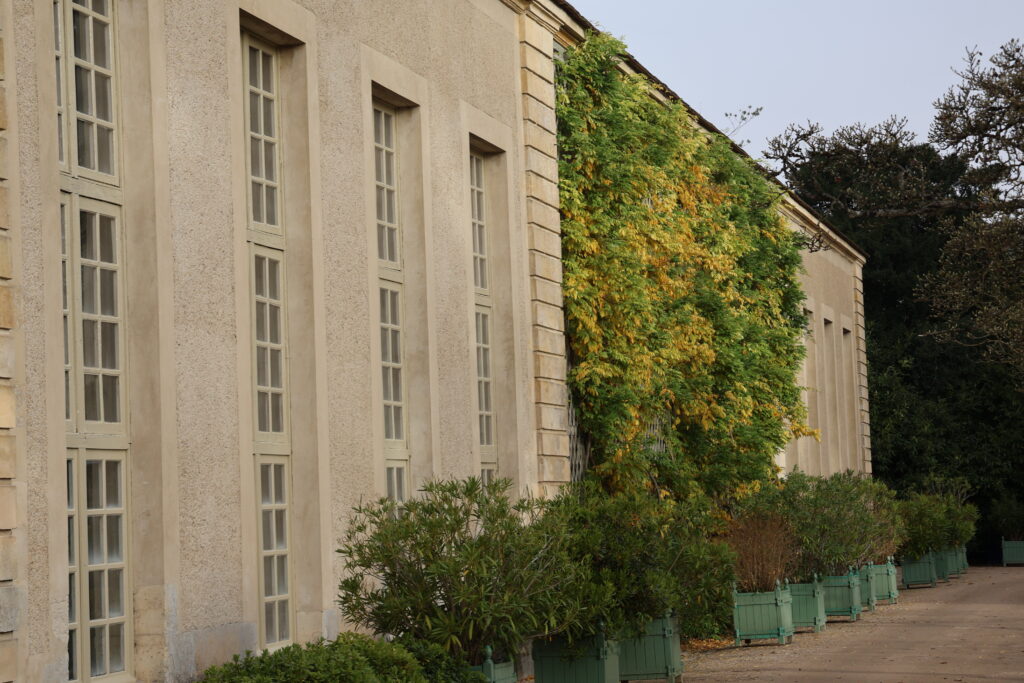
The next—and actually the final—destination is a remote village. Getting there isn’t exactly easy. It’s easy to get lost along the way. Up until now, it’s been more of a linear open world. Now it’s a true open world. There are many interesting spots along the way that will tempt you off course. The paths are winding, there’s plenty of nature, and so you often find yourself hoping the path will lead you to the right place. Often, even the map doesn’t show exactly where you are. The village is pretty, though that depends on your perspective. After exploring the area, you can take a break here—the journey ahead is a long one. Plus, it’s easy to get lost and stumble upon an interesting greenhouse, other buildings, and spots that beautifully hint at where you need to go.
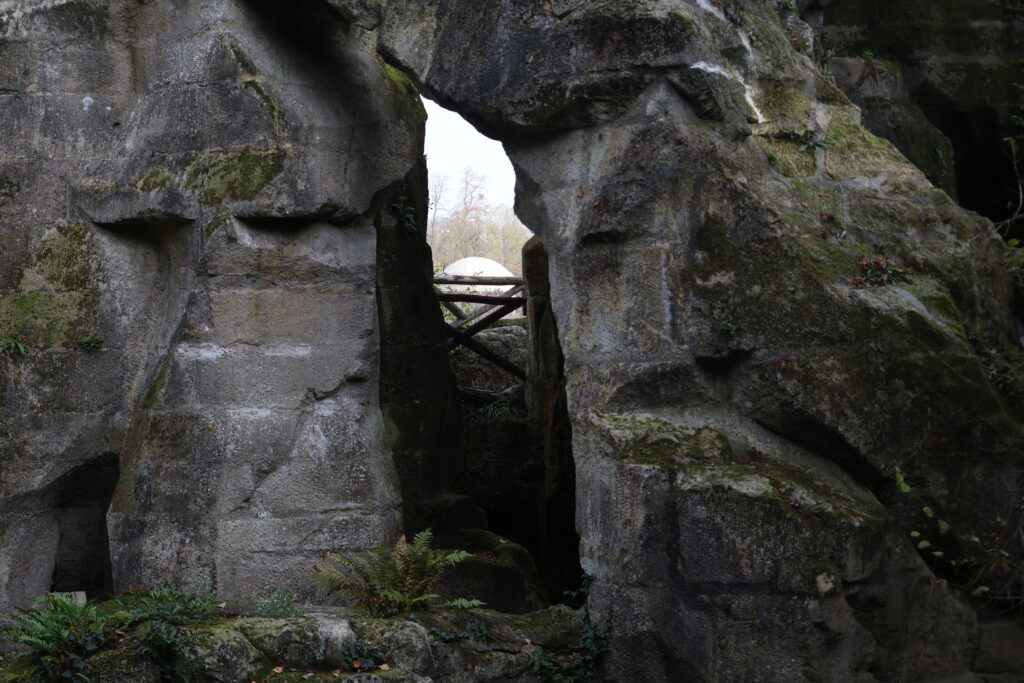
Take this spot, for example. It’s absolutely clear that if you were playing a video game, this is the place you’d want to visit. It’s as if nothing else mattered. At that moment, everything else is hidden, and the most important thing is visible through some kind of opening. Unfortunately, I’ve already visited this spot, but if you were coming from a different direction, it’s a natural landmark that guides players to their destination. It’s interesting how it came about so naturally here as well—perhaps over time.
On the way back, I chose a slightly different route, even though the destination was clear. Sometimes in games, we have to retrace our steps or take a very similar path. It’s a form of emotional manipulation, but it can also reduce the demands on development. However, it’s important to offer the player something along the way that will engage and entertain them; otherwise, the journey could feel like a mindless routine. Here, I came across an interesting spot along the way. However, it was surrounded by a fence. The gate was locked, and the area was inaccessible.
Should I look for a key somewhere? Or am I just too low-level? I’d probably have to pitch a tent here and wait for it to unlock. But there’s no time for that. And so, despite the many interesting places, I’m missing out on this one and will have to come back another time. The journey thus ends right at the very beginning.
In game design, we don’t invent anything new; rather, we primarily draw on how the real world works. We incorporate elements that are natural and recognizable to people into the game so that players know which way to go. These are things created naturally by nature or by human hands to help us find our way and not get lost in the real world.